
International medical escort missions sit at the intersection of medicine, logistics, regulation and stakeholder expectation. Efficiency matters, but patient safety must remain the primary driver of every transport decision. This repatriation tested that principle, and it illustrates why a Just Culture that supports bedside clinical judgment is what ultimately kept the patient safe.
The patient
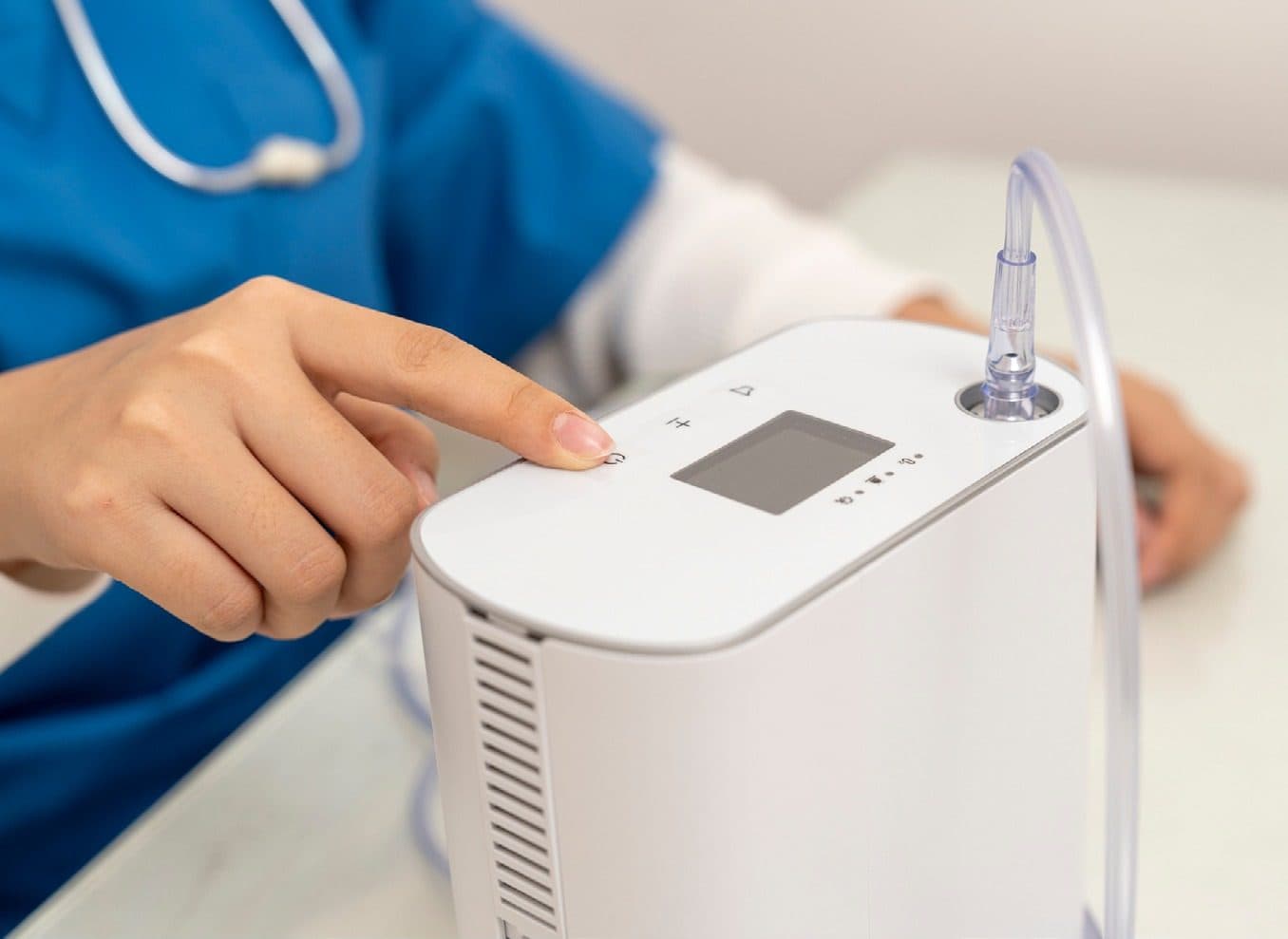
An adult patient required commercial repatriation from a hospital in northern Australia to home in the United States. The patient had significant pulmonary disease with a right-sided pleural effusion, a history of malignancy and recent pneumonia, borderline-low hemoglobin and limited respiratory reserve. On room air at sea level, oxygen saturation held only marginally within acceptable limits, typically 92 to 94 percent, raising real concern for deterioration in a commercial cabin, which is pressurized to the equivalent of 6,000 to 8,000 feet. Serial bedside assessment led the escort physician to a clear conclusion: uninterrupted oxygen would be essential, delivered by portable oxygen concentrator (POC) on every segment.
When the plan fell apart
Two events then dismantled the plan. In transit, airport security confiscated the lithium batteries needed to run the POC under local dangerous-goods rules; because the patient was in a rural location, replacements took far longer than expected. In parallel, a correctly filed request for airline-provided oxygen was declined. With neither a functioning POC nor confirmed airline oxygen, the patient had no reliable means of maintaining oxygenation in flight, and the itinerary had to be rebuilt.

Transport options under pressure
As delays accumulated, discussion turned to expediting transport. The patient's family, understandably anxious after repeated setbacks, pressed for a faster resolution, and an alternative opinion was raised as to whether the patient might tolerate flight without continuous oxygen. The escort physician held firm, a position grounded not in administrative caution but in repeated examinations, serial oxygen-saturation measurements, direct observation of respiratory reserve and established aviation physiology. Supporting that bedside judgment, even at the cost of delay and against real operational pressure, is a defining feature of a Just Culture.

What the cabin confirmed
Once replacement equipment arrived, transport proceeded on continuous oxygen across both segments, and the cabin confirmed the assessment. During takeoff, when oxygen must briefly be disconnected per regulation, saturation fell to approximately 82 percent. During a two-minute interruption to give oral medication, it dropped to approximately 74 percent, recovering only once oxygen resumed. With uninterrupted oxygen at maximum flow, saturation held within an acceptable range for the remainder of both flights. The patient completed the repatriation without a medical emergency and arrived clinically stable, remaining so at handover.
A Just Culture is not only about how organizations respond to error after the fact; it is about empowering the clinician at the bedside to be heard before harm occurs.
The lessons
The lesson is broader than one mission. Fitness to fly is dynamic, not a one-time determination, and a delay driven by legitimate safety concern often prevents a far more serious complication later. Remote review adds value but cannot replace direct examination by the clinician present with the patient. High-reliability transport organizations are defined not only by how efficiently they move patients, but by their willingness to adapt the plan when clinical information shows that safety requires a different course.
A Just Culture is not only about how organizations respond to error after the fact; it is about empowering the clinician at the bedside to be heard before harm occurs. Empowering those clinicians to speak up, and ensuring their voices carry weight, remains one of the most effective ways to prevent avoidable harm.
First published as a case study in ITIJ's Air Ambulance Review.

About the author
Blake Yturralde
Chief Executive Officer, Commercial Medical Escorts
Blake Yturralde is the Chief Executive Officer of Commercial Medical Escorts, which has provided medical escort services to the travel insurance and travel assistance industries for over twenty years. He leads the company's global operations and clinical governance, supporting patients who need medical attention while traveling and maintaining CME's EURAMI-accredited escort teams.
Meet the CME team →